
Digital X-ray
An established diagnostic imaging technique for the lungs, bones and joints — fully digital and low-dose. No appointment needed.
Good to know
No appointment needed
Simply visit us during our walk-in hours.
- Mon–Wed: 7:30am – 4:00pm
- Thu: 7:30am – 5:00pm
- Fri: 7:30am – 12:00pm
Uses
When is this examination used?
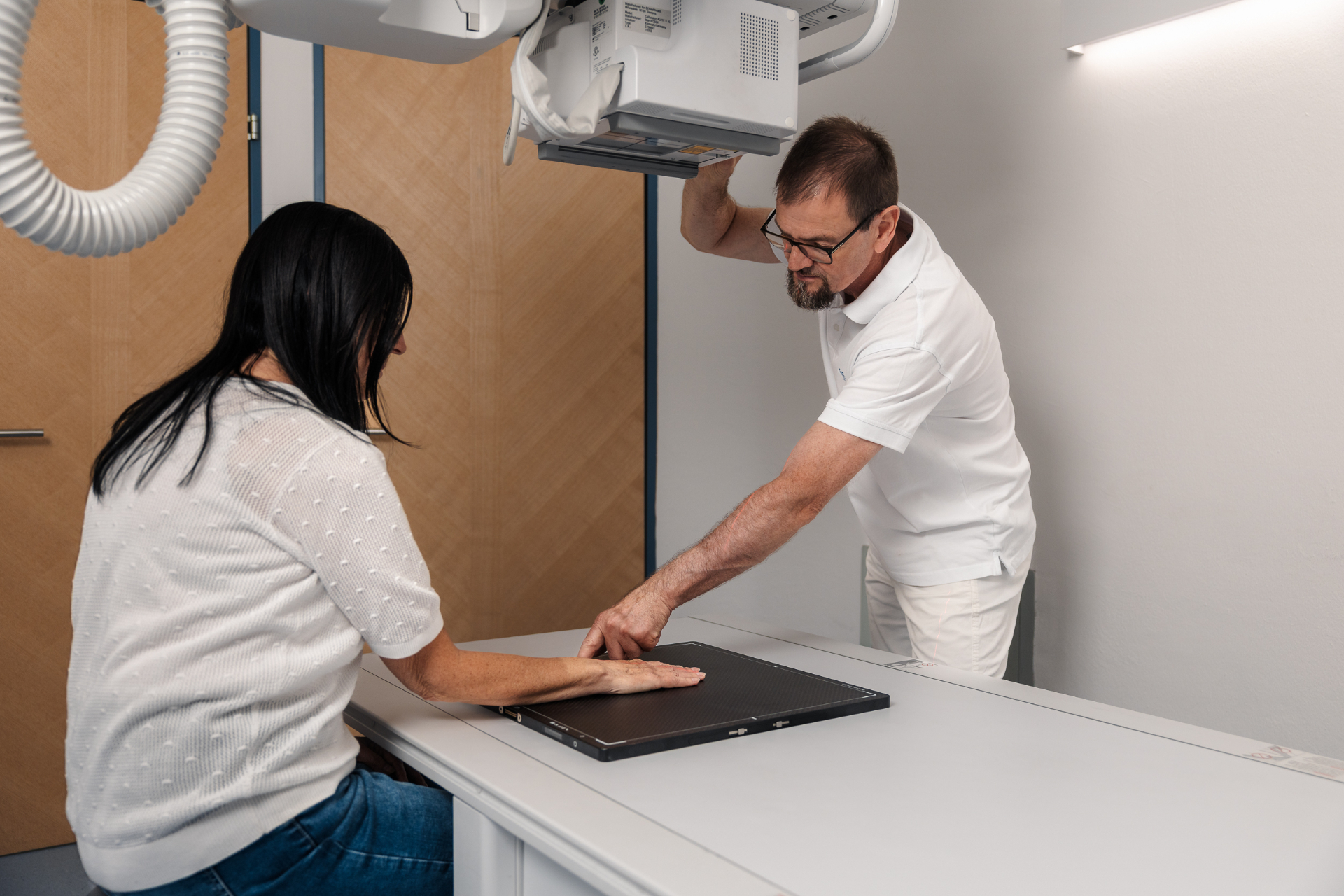
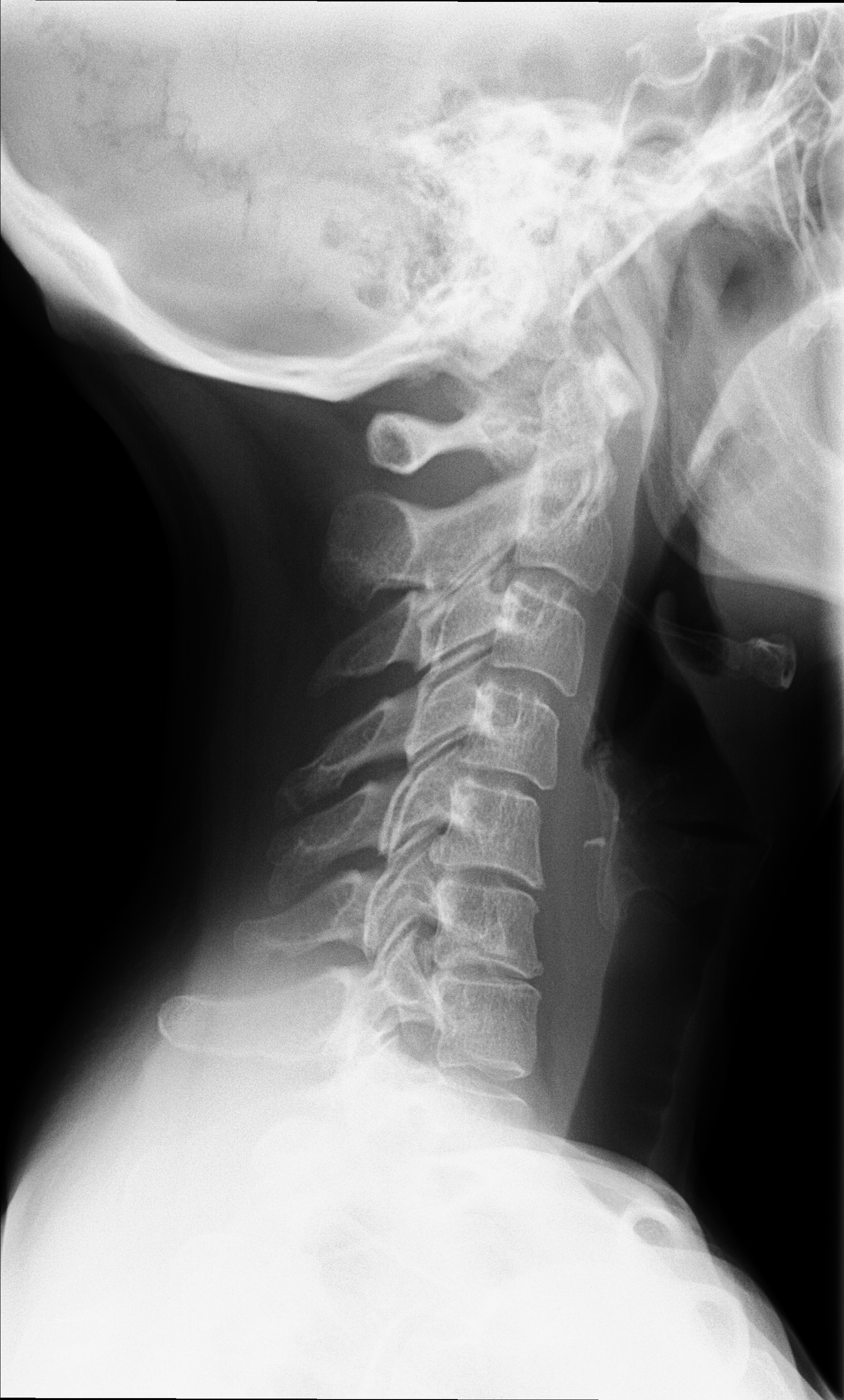
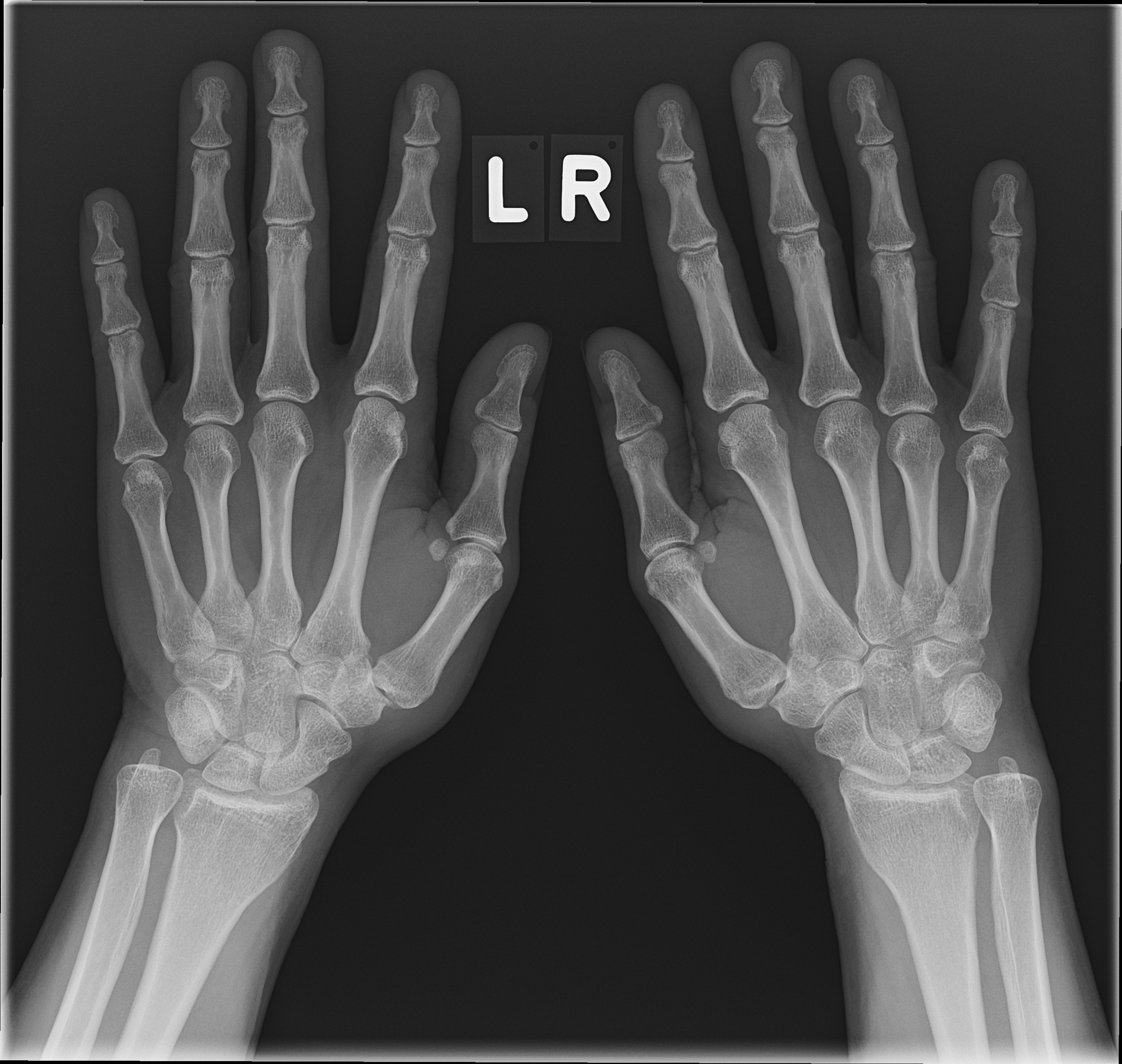
Digital X-rays are used to investigate a wide range of conditions. We examine the lungs and chest, bones and joints, spine and abdomen quickly and precisely, with a significantly reduced radiation dose. We commonly use X-rays for injuries, chronic conditions and screening examinations. Digital technology makes images immediately available for reporting and allows them to be shared with specialists when needed.
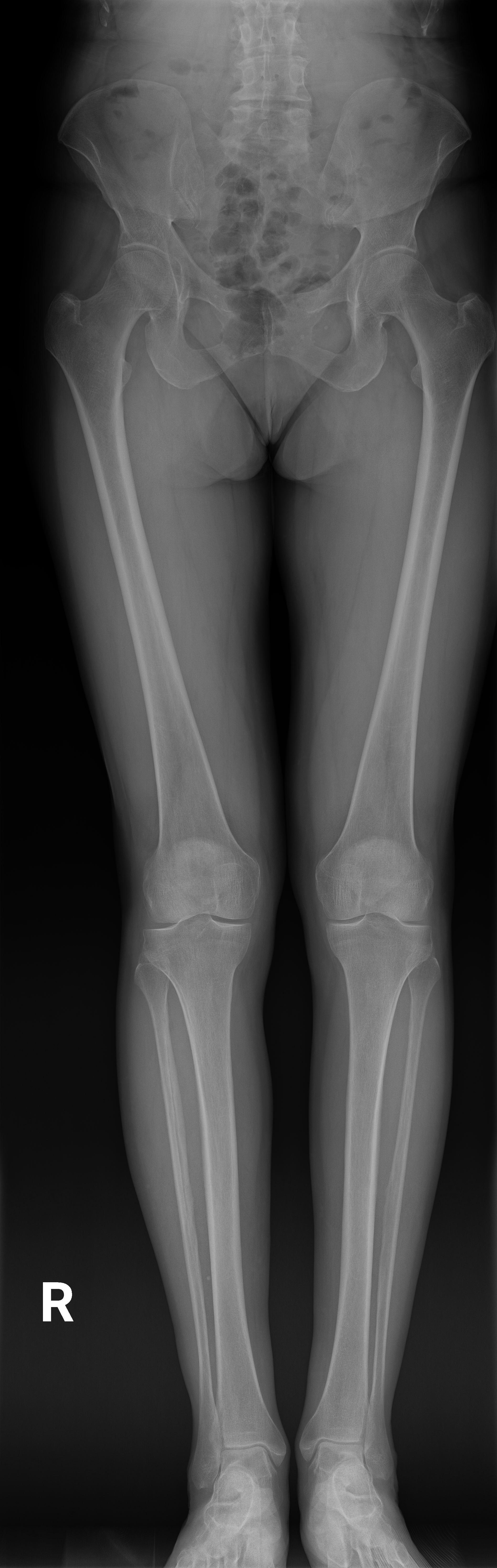
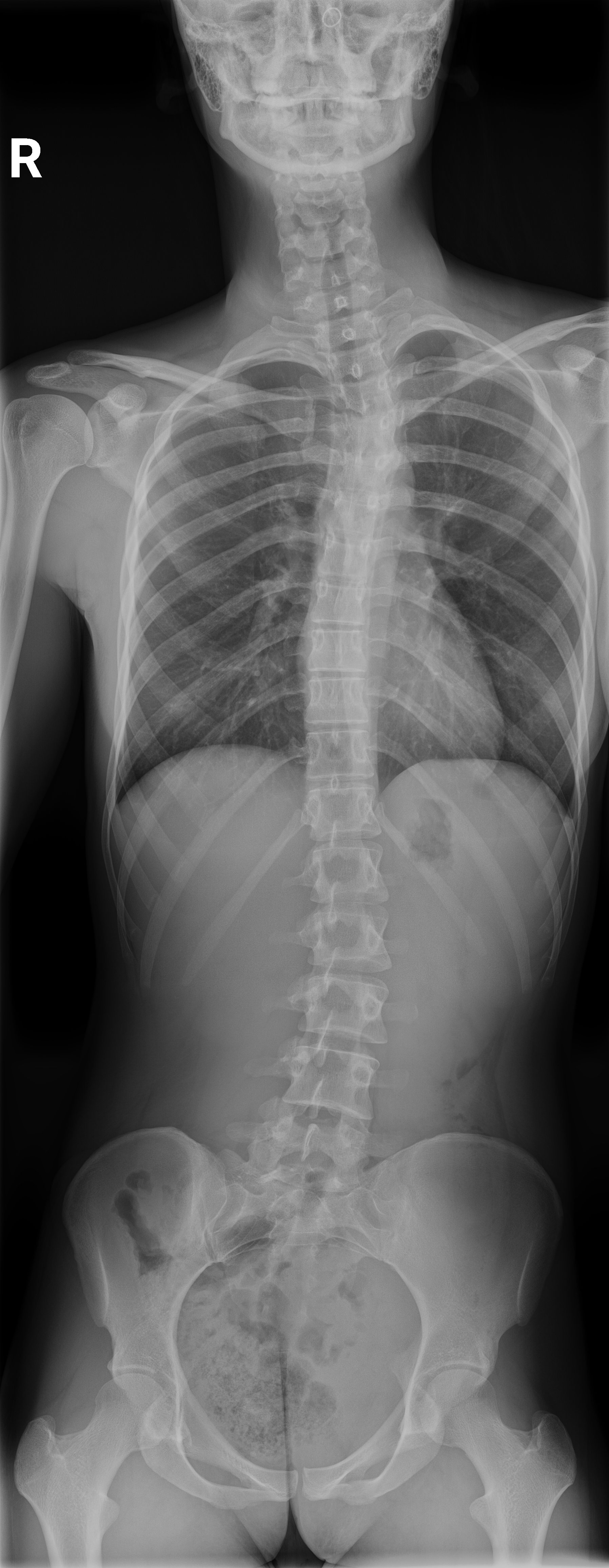
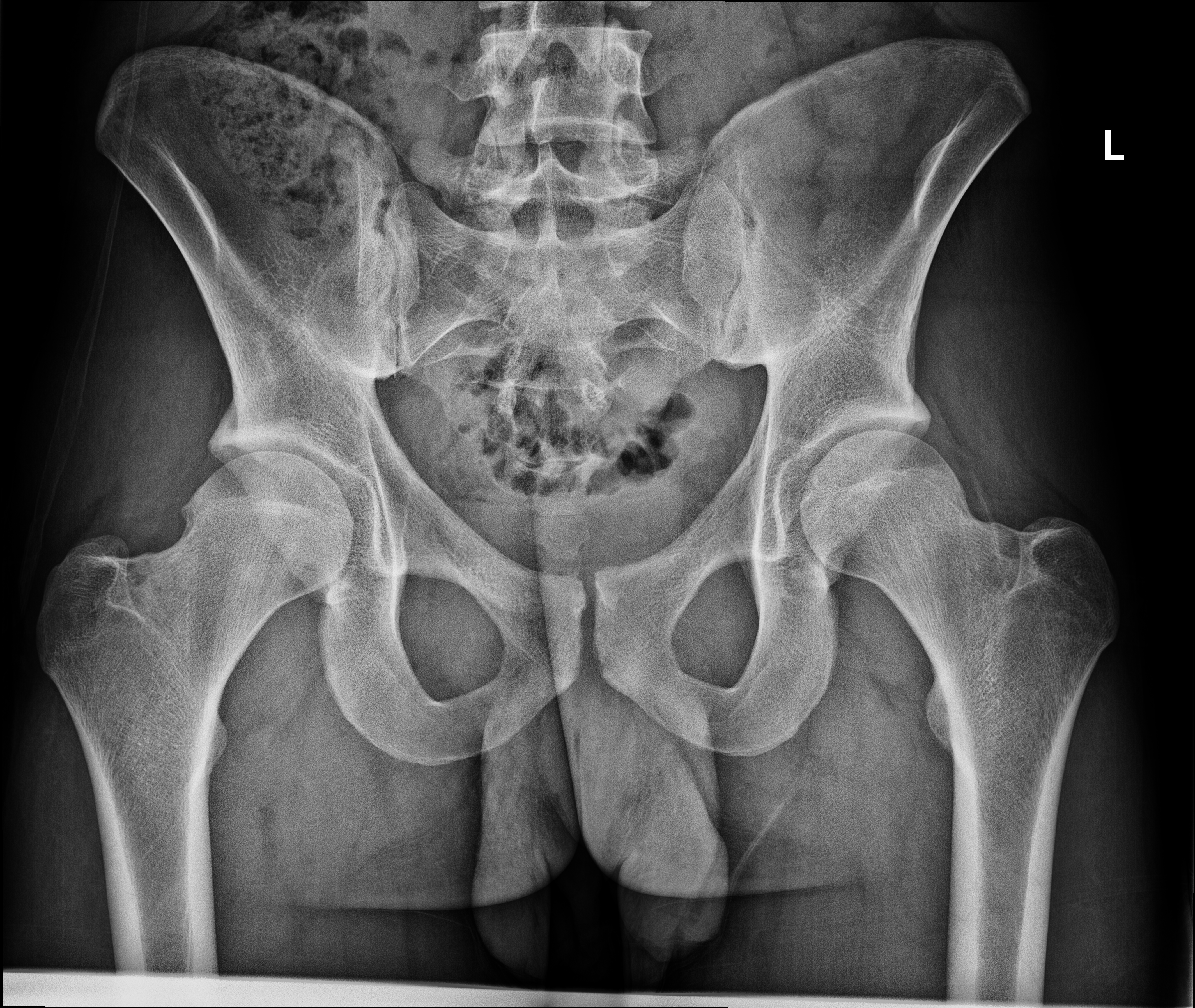
Full-length X-ray of the legs
What happens during your examination
Frequently asked questions
How long does an X-ray examination take?
Taking the image takes only a few seconds. Including preparation, you will usually be finished in 10 to 15 minutes.
Does this examination involve radiation?
Yes, X-rays use ionising radiation. We use only digital systems with significantly reduced doses. Exposure from a routine X-ray is very low.
Is this examination painless?
Yes, the examination is completely painless. You simply need to stand or lie still briefly.
How should I prepare for this examination?
No special preparation is needed. You will remove jewellery and metal objects from the area being examined.
Common examinations
- After falls or sports injuries
- Investigation of lung symptoms
- Post-operative checks
- Monitoring chronic conditions
Our equipment
Digital X-ray system
- Reduced radiation dose
- High image quality
- Fast reporting
Our other examinations
Magnetic resonance imaging (MRI)
Cross-sectional images without X-ray radiation. Our 1.5-tesla scanner provides detailed images of soft tissues, joints, the spine and the brain.
Computed tomography (CT scan)
High-resolution cross-sectional images. Our 64-slice CT scanner enables a substantially reduced radiation dose and short examination times.
Digital mammography
Breast screening and diagnostic assessment using our direct digital mammography system with a reduced radiation dose.
Ultrasound
A radiation-free examination of organs, blood vessels, the thyroid and soft tissues using a high-resolution, advanced ultrasound system.
DEXA bone density scan
Bone density scanning for the early detection and monitoring of osteoporosis — quick, painless and with a very low radiation dose.